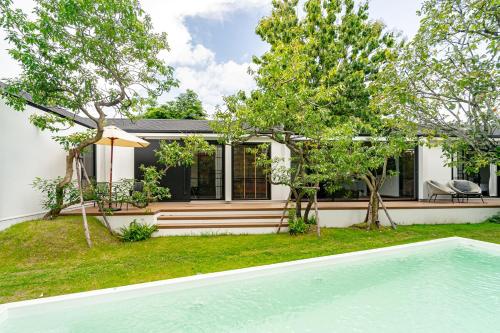
Reading Sukhumvit before you arrive
Sukhumvit Road runs more than 15 kilometres from the khlong-side edge of central Bangkok out toward Samut Prakan, and the soi numbers restart on each side of the road: even numbers on the north side, odd on the south. That single fact saves first-timers a lot of walking. The BTS Skytrain shadows the road from Nana to Bearing, so the practical map is stations, not postcodes. As a rule, the lower sois (1 to 23) sit closest to the hotels and malls of Siam and Asok, while the higher numbers push into quieter, more residential Thong Lo, Ekkamai and Phra Khanong.
Evening is when the roadside cooking really starts, roughly from 17:00 until vendors sell out, often by 22:00. Lunch carts cluster near office towers and are gone by mid-afternoon. If you are choosing a hotel, being within a five-minute walk of a BTS station matters more than the soi number itself, because heat and traffic make long walks unpleasant. Asok, Nana, Phrom Phong, Thong Lo and Ekkamai are the most useful stops for a first visit, and each has a different feel at night.
Soi 11, 13 and the Asok end
Soi 11 is the easiest introduction: wide, busy after dark, and lined with everything from Middle Eastern grills to rooftop bars. Walk it and you will find satay skewers, mango sticky rice and noodle carts parked near the 7-Eleven entrances. It is not the cheapest or the most traditional, but it is forgiving for a first night when you are jet-lagged and do not want to navigate far. Expect to pay noticeably more than in residential neighbourhoods, and expect menus in English and photos, which helps when you are still learning names.
Soi 13 and the lanes around Asok station, including Soi Cowboy's immediate surroundings, are louder and more bar-oriented, so I would eat elsewhere and simply pass through. One stop away, the area around Phrom Phong and Soi 33 offers a better balance: sit-down Thai restaurants alongside pavement grills, and the Emporium and EmQuartier malls as a fallback if rain arrives. For a first stay I would book a hotel between Nana and Phrom Phong, where you can walk to food, reach the Skytrain in minutes and still sleep away from the loudest corners.
Thong Lo, Ekkamai and the local sois
Thong Lo, roughly Soi 55, is where Sukhumvit becomes more local and more Japanese-influenced. Soi Thong Lo itself has a dense run of street stalls in the early evening, plus the small alleys off it, often numbered as sub-sois, where carts serve boat noodles, grilled chicken and Isaan salads to people who live nearby. Prices here are usually lower than at the Asok end and portions are aimed at residents rather than tourists. Weeknights are calmer than weekends, and the monsoon months from roughly June to October make a poncho or umbrella worth carrying.
Ekkamai, around Soi 63, feels similar but a little more spread out, and the BTS station connects to the Eastern Bus Terminal if you are heading to Pattaya later. Phra Khanong, one stop beyond, is the most residential of these and has a strong evening market scene near the station. Across the road, the odd-numbered sois in this stretch, such as Soi 38, are quieter and mostly residential, with a handful of long-standing food stalls. If you want street food on your doorstep without bar noise, I would choose a hotel near Thong Lo or Ekkamai rather than the lower sois.
Practical eating and where to book
Street food here is eaten at plastic stools at dusk, so dress for heat and carry small notes, since change for large bills can be awkward. Hygiene is generally good at busy stalls, where turnover is fast; pick the cart with a queue of locals and food cooked to order in front of you. Drinking tap water is not the local habit, so bottled water is standard, and ice in busy stalls is normally fine. Vegetarian food exists but is not always obvious, so learning a few words or pointing at ingredients helps. Skip anything that has been sitting out uncovered for hours.
For a hotel, the sweet spot is a short walk from Asok, Phrom Phong, Thong Lo or Ekkamai BTS stations, which keeps every soi reachable without long, sweaty walks. The lower sois suit first-timers who want malls, pharmacies and easy taxis nearby; Thong Lo and Ekkamai suit repeat visitors or anyone who wants evening stalls on the doorstep. Book as early as you can for December and January, the peak cool season, and expect quieter rates in the green months of May to September, aside from the Songkran holiday in April.
Good to know
Questions, answered
Which BTS station is best for Sukhumvit street food?
Asok and Phrom Phong are easiest for a first night, with busy stalls and English menus nearby. Thong Lo and Ekkamai are better value and more local, with evening carts along the main sois and side alleys, and fewer tourists.
What time do Sukhumvit street stalls open?
Most roadside cooking starts around 17:00 and winds down by 22:00, or earlier when food sells out. Lunch carts appear near office buildings and disappear by mid-afternoon, so plan evening meals for the widest choice.
Is it safe to eat street food in Bangkok?
Busy stalls with fast turnover and food cooked to order are the usual choice. Carry small notes for payment, drink bottled water as locals do, and avoid dishes that have been sitting out uncovered for a long time.
Doing good is the business: every booking through Stay Bangkok funds one verified tonne of carbon removal — same room, same price, no markup.
Search stays